
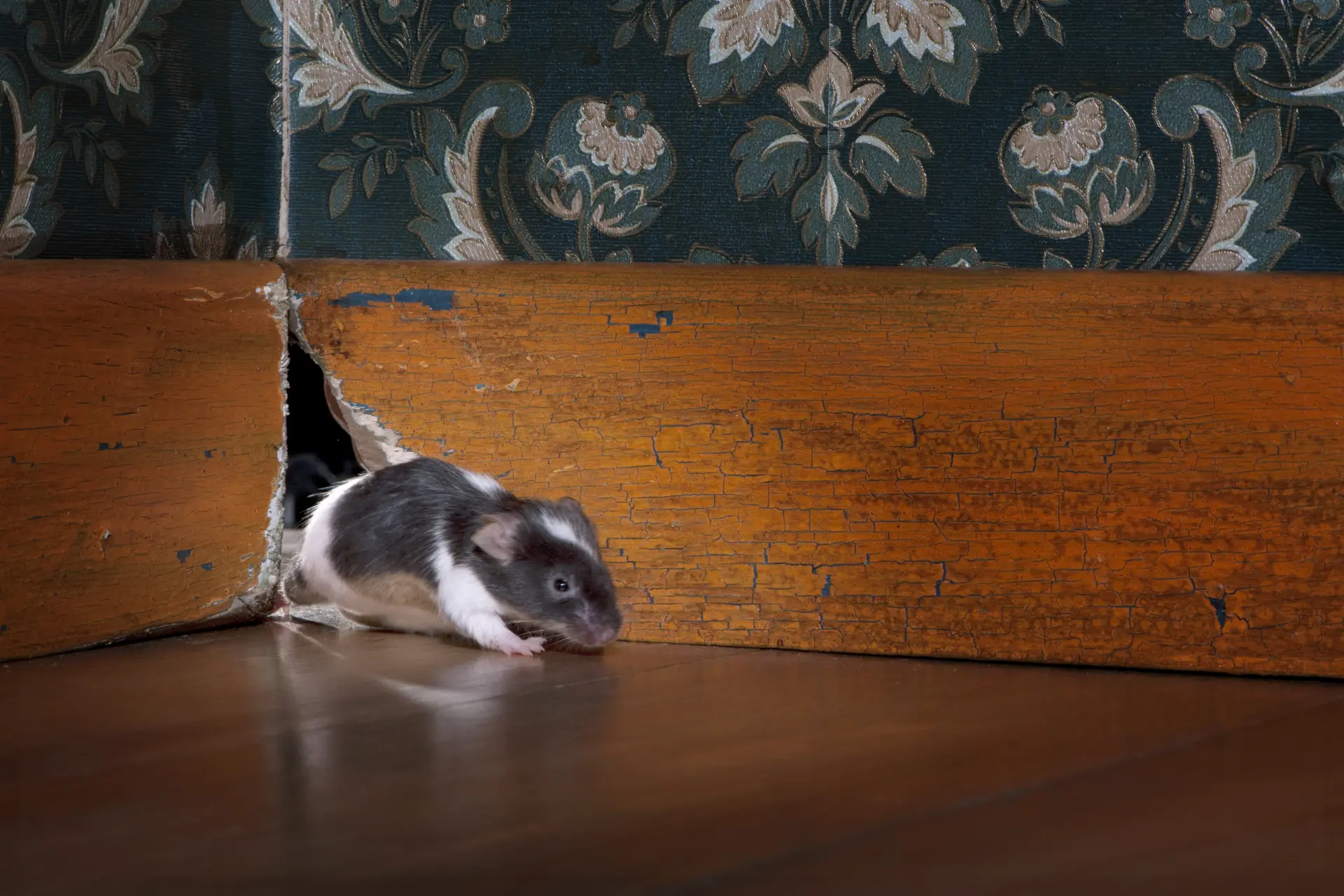
Proofing Your Home Against Rodents is key to pest prevention. Learn practical steps to seal gaps, secure vents, and identify mouse or rat entry spots in your property.
Where to look first inside and out
Start with the kitchen and pantry, as the food smells tend to attract rodents more than in any other room. Check behind your cookers, fridges and dishwashers for crumbs, gaps and gnaw marks. Make sure to pull out the kickboards to see the floor's edges and pipe cut-outs.
Move to the loft and the airing cupboard, where warm spaces and insulation make easy nesting spots. Look for any droppings along joists, shredded packing, and light showing through roof gaps. Note any chewed cables or pipes.
Continue outside by walking the line of your walls and fences. Inspect around all your bins, compost heaps and bird feeders for any food sources and tracks. Trim back your plants, especially those that touch the house, as branches can act like bridges for pests.
Finish with the foundations and door thresholds. Examine where the slabs meet the soil, and where the steps join the walls. You can also carry out a bright torch check at dusk to see if you can spot fresh runs and holes that you might miss in the daylight.
Sealing cracks in walls and floors
Begin by measuring gaps, because mice can squeeze through holes as small as a pencil. Mark every crack you can fit a pen into, both inside and out, and circle anything close to food or warmth. It's wise to prioritise all the low entry points on your walls, near skirting boards and beside pipes. Keep notes of sizes so you buy the right products the first time.
Choose the right filler for the job so that each repair will last for a long time. You can use mortar or cement for any masonry, wood filler for skirting, and a flexible sealant for any joints that move a little. Be sure to pack steel wool or copper mesh into deeper voids before you start sealing to stop any chewing from behind. Label the tubes and keep offcuts for quick touch-ups.
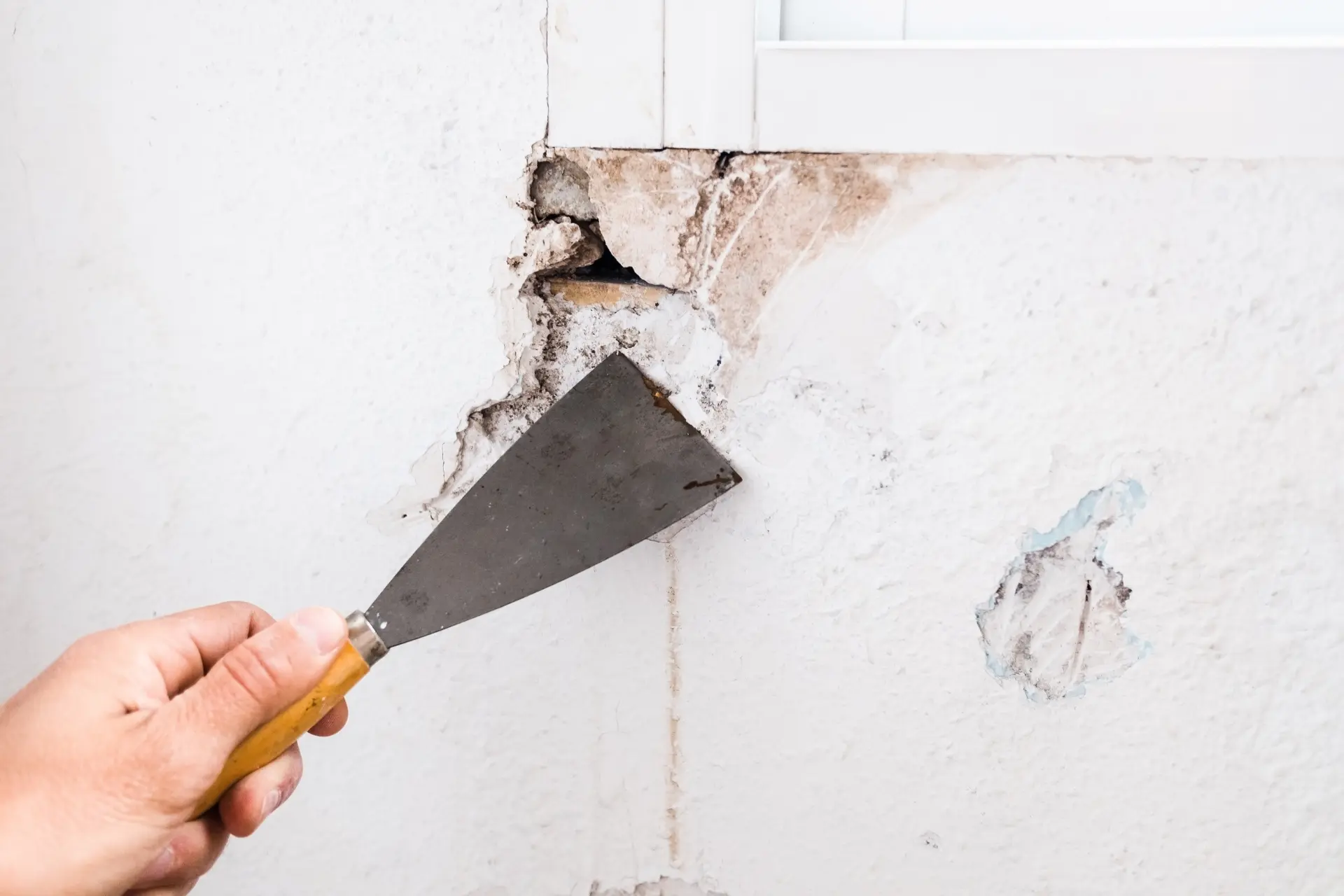
Apply products in dry weather and on clean, firm surfaces that will bond well. Brush out dust, scrape away loose material, and wipe with a damp cloth to remove fine debris. Allow the area to dry fully, so the seal grips the edges. Smooth the finish with a tool so there are no tiny lips to pry open.
Re-inspect after curing to confirm no shrinkage has reopened gaps. You can try running a blunt tool along the seal to test for any weak spots that crumble.
Add a drop of dye or chalk line around repairs, and this can highlight any new movement later on. We recommend setting a seasonal reminder to check the same places after heavy rain or frost has passed.
Air bricks and vents fitted with rodent proof covers
Look at every air brick and vent on the outside walls, high and low, and identify any that may have missing grilles, cracked edges, or gaps wider than a pencil point. Note any vents that are close to ground level, as these are easiest for rodents to reach and climb through. You can also photograph each one to ensure you order the correct sizes.
Select covers made from metal mesh with holes of 6 millimetres or less for a reliable barrier. Avoid soft plastic that can be chewed or warped by the sun and frost. Make sure the product keeps the airflow, so your home will stay dry and safe. Always read the maker's guidance to match the cover type to the wall material.
Install covers using screws and wall plugs rather than adhesive alone for plenty of strength, and position the mesh flat against the wall so there are no side gaps or bowed edges. It's always best to keep the original vent clear behind the cover to protect ventilation and prevent any dampness. Then, test the fixings with a gentle tug to confirm they are firm.
Pipes, cables and service entry points
Start by listing all services that enter the building so none are missed. Include water, gas, heating pipes, waste pipes, broadband cables, and satellite leads inside and out. Mark both the indoor and outdoor sides of each penetration with some tape or chalk, so that you don't forget. It's good to create a simple plan that links each hole to a room.
Fit proper collars or escutcheons where pipes pass through walls and floors for a neat seal. Pack copper mesh around the pipe, then seal over it with mortar or a fire-rated sealant suited to the location. Leave plenty of room for safe pipe movement without opening a gap that can grow. Follow all the safety rules when near gas, and always call a qualified professional if you're unsure.

Protect flexible and plastic pipes by adding rigid sleeves that resist chewing. You can use grommets or bushings where cables pass through sharp or rough edges to avoid future wear and tear.
Tie your cables neatly so they do not loop and create some hidden voids behind them. Be sure to label each line so that later work does not reopen any sealed holes.
Make sure to check the boxed-in pipe runs and the backs of your kitchen units, where large cut-outs are usually hidden. Remove a small plinth panel, if needed, and this will help you see the rough edges and oversized holes.
Close any gaps you find in your cabinets with timber offcuts, mesh and sealant so there is no easy path for these pests to get into. Replace any missing kickboard clips so plinths sit tight to the floor.
Garages, sheds and outbuildings
Begin with the door seals and frames, since daylight under a door means a clear route. Fit a brush strip at the bottom and weather seals up the sides to close the line. Adjust the hinges and latches so the door meets the frame snugly without any jamming or rubbing. You can test this solution by placing a sheet of paper at the base and trying to pull it free.
Store food, seed and animal feed in metal or thick plastic containers with tight lids. Make sure to keep all your pet food in sealed tubs and clear away any spills at once so smells do not linger and attract more rats or mice. Raise bags and boxes off the floor on racks or pallets to deny quiet corners.
Tidy clutter so hiding spots are limited and inspections are much quicker. We also recommend stacking your items with lots of space behind and beneath them for easy sweeping and viewing. Sweep the floors and remove any old cardboard, fabric and insulation that could be used for nests and bedding.
Inspect the building shell for signs of gaps at roof edges, around your windows and wherever the timbers meet walls. Call professionals to repair rotting, replace broken panes and seal knot holes that look small but can grow larger over time. You can also add fine metal mesh over the vents, as this allows you to board up your spaces while keeping airflow for safety and dryness. Finish with a final walk round at night with a torch to catch tiny openings that reflect light.
If you're dealing with a rat or mouse problem in your home or business property in Stoke-On-Trent or Stafford, give our team a call. We're skilled, knowledgeable professionals with all the necessary tools and practices to help rid pests from your environment.
Related Articles
How to Spot Signs of Rats and Mice